

Mushroom Supplement FAQ
Q: What are mushroom supplements, and what is their role in a wellness routine?
Mushroom supplements typically contain concentrated extracts from various functional fungi species, which may include Lion’s Mane, Reishi, Turkey Tail, Maitake, Shiitake, Chaga, and others. Many of these mushrooms are classified as adaptogens, which have a long history of use in traditional wellness practices centered around supporting the body's natural baseline resilience to environmental stressors. Functional mushrooms are also a natural source of antioxidants and beta-glucans, which contribute to general dietary wellness and support overall health maintenance.
By introducing a broad-spectrum blend of mushroom extracts into a balanced diet, individuals can supplement their daily intake of beneficial nutrients that support general systemic health and structural well-being.
Q: Why do mushroom supplements vary in quality?
Mushroom supplements vary widely across the market due to differences in ingredient sourcing, manufacturing standards, and formulation accuracy. Quality differences often stem from whether a brand uses pure mushroom extracts or mycelium. Mycelium represents the underground root system of the fungus and is typically cultivated on grain substrates like rice or oats. Because the grain cannot be completely separated from the root threads during processing, a significant portion of the final product may consist of starch and grain carriers rather than pure mushroom components.
Q: What should I look for?
- Look for a formula that offers a broad spectrum of mushroom varieties, including core species like Reishi, Lion’s Mane, and Turkey Tail.
- Check for transparent labeling that shows a clearly disclosed milligram breakdown (such as 100 mg or more) per individual species.
- Prioritize products derived entirely from 100% mushroom fruiting bodies rather than mycelial biomass grown on grain.
- Consider formulas that include a bioavailability enhancer, like black pepper extract (BioPerine®), to support optimal nutrient absorption.
- Select clean formulations that avoid unnecessary synthetic binders, artificial fillers, or additives.
- Ensure the brand provides clear transparency regarding ingredient identity without hiding behind vague proprietary numbers.
- Verify that the supplement is produced in a cGMP-compliant facility and undergoes independent third-party laboratory testing.
Q: What about safety? Are there side effects to watch out for?
Mushroom supplements are widely used and generally well-tolerated by the public. However, because individual health profiles vary, we highly recommend consulting with a qualified healthcare physician before starting any new supplement regimen, particularly if you have an underlying medical condition, take prescription medications regularly, or are pregnant or nursing.
Q: How do I take mushroom supplements?
Usage typically ranges from one to three capsules per day, depending on the specific formulation and concentration of the product. To ensure appropriate use, you should always review and follow the direct serving suggestions provided on the manufacturer's product label, and avoid exceeding the recommended daily serving size.
Q: How long does it take to notice a difference?
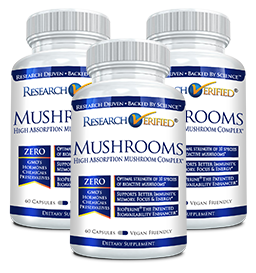
The timeline for experiencing the benefits of dietary supplements varies significantly from person to person, as individual body chemistry, diet, and lifestyle habits influence adaptation. Some individuals notice subtle improvements within a few weeks of consistent daily use, while for others, the nutrients work gradually over time to support the body's baseline. Because of this natural variance, many transparent brands offer comprehensive satisfaction policies. For instance, Research Verified Mushroom Complex provides a 365-day money-back guarantee, allowing customers ample time to evaluate the supplement's alignment with their personal wellness goals.
Q: How much do mushroom supplements cost?
The retail cost of mushroom supplements reflects the quality of their sourcing, testing, and manufacturing practices. High-standard formulations featuring pure, third-party verified extracts generally fall within the $40 to $50 range per monthly supply. Products priced significantly lower often rely on proprietary blends that minimize active ingredient amounts, or utilize less concentrated mycelium biomass grown on grain fillers to reduce production costs.
Q: What’s the best mushroom supplement to buy?
Because individual preferences and health goals vary, the ideal product depends on the specific standards that matter most to you. In our comparative research, Research Verified Mushroom Complex emerged as a notable option due to its strong commitment to sourcing transparency, use of 100% fruiting bodies, and adherence to strict quality control guidelines.
While you can evaluate various brands to see which fits your daily routine, Research Verified provides a balanced, thoroughly evaluated option that meets rigorous industry standards for purity, safety, and label accuracy.
What You Will Learn
- Which of all the mushroom supplements is best for you and is also the BEST BUY!
- The formulation and ingredients that yield the best results!
- How to not get ripped off buying cheap products
6 Features To Evaluate When Rating Mushroom Supplements:
- The Ingredients
- The Company's Reputation
- Product Testing Results
- Customer Reviews
- Cost Per Pill
- Return Policy & Guarantee

Sign Up For Our Newsletter, Health Tips & Product Discounts Now!

Consumer Review Copyright © 2026. All Rights Reserved.